Featured

Teeth found growing in ovary tissue

Work Experience in the Histopathology Lab at Birmingham Children’s Hospital

Histopathology is the microscopic examination of tissues in order to identify diseases.

Home in summer of 2019 with not a single holiday booked, through the hard effort of emails, I had the opportunity to work under supervision in lab departments in Birmingham Children’s Hospital, and one of them being in the histopathology lab where I have held human organs and look at them close under the microscope.

Entering the Lab I was greeted politely by the team which was all wearing lab lab coats. I was advised to wear lab coats at all times to be part of the gang. I’m already used to since I started any lab work.

Safety and hygiene always comes first in the lab.

The whole process was fairly straight forward. During a patient’s surgery or autopsy a specimen is cut away from the problematic organ (in this case an ovarian tumor) and is stored within a sealed container along with a fixative called formalin, this preserves the tissue and prevents it from decaying during transport. This specimen always comes with a paper slip stating details such as:

  • Patient Name and date of birth
  • NHS Number
  • Organ the specimen it came from
  • Time of specimen extraction
  • Doctor
  • Delivery details To and From

Specimen transported to the histopathology lab via the hospital’s pneumatic tube system. Where objects can be easily passed around the hospital quickly in capsules by only entering a destination code. This is very handy in times of emergency like when a biopsy or blood tests is needed to be done as soon as possible.

When the specimen is received by the lab, it undergoes embedding process where the specimen is contained in a processing cassette where it is then placed in a Tissue Processor machine where dehydration and the infiltration of a paraffin wax. This can take several hours to over night depending on the size of the specimen.

The wax specimen is placed in a block of molten wax, when solidifies we ended up with a cube of wax containing the specimen at the centre.

The block is now ready to be sectioned, this is like slicing thin layers of onions but instead we would be looking under a microscope slicing 10 µm layers. This is the stage that requires the most precision. Perfect sections are then placed on slides.
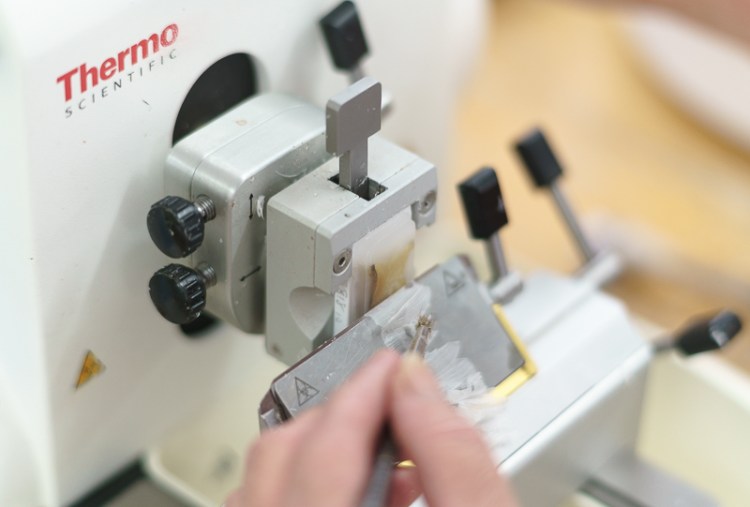
Slicing thin sections of the wax block containing the specimen

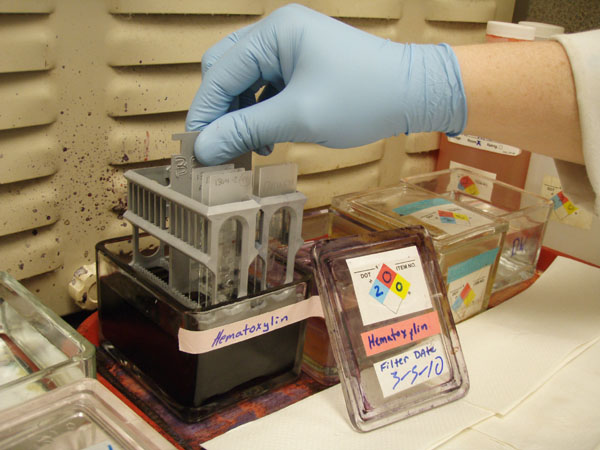
To see the structure of the specimen clearly, the slides are stained several times

  • H&E Hematoxylin and Eosin
  • Carmine
  • Silver Nitrate
  • Gram stain
  • Romanowsky Stain
  • Trichrome stain
Multiple specimen slides being stained multiple times

Slides are rinsed in distilled water between stains.

Coverslip is then placed above the specimens making it ready to be seen under a microscope!
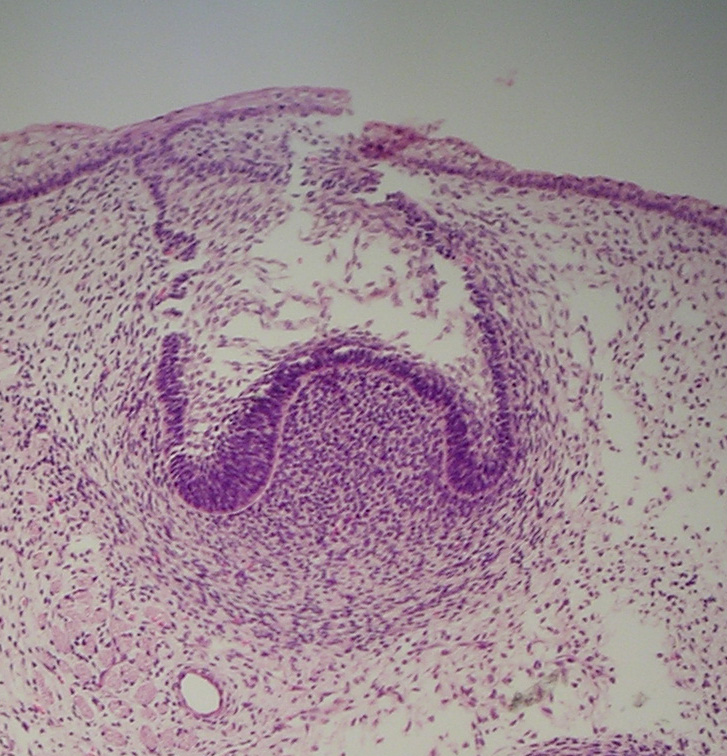
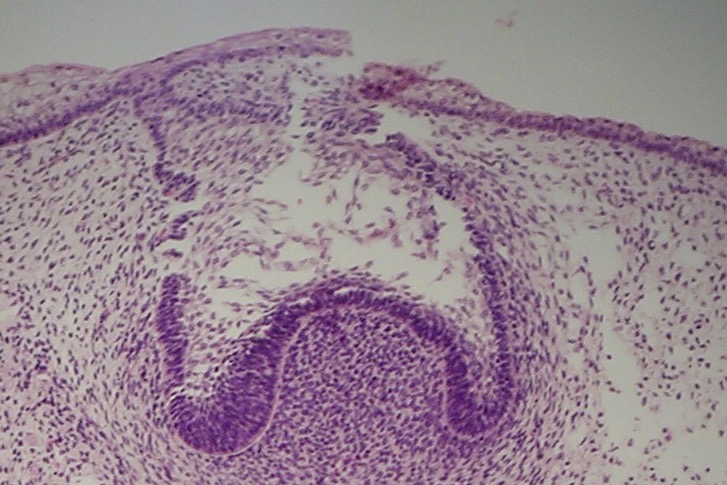
Tooth Development occurring in ovary tumor tissue

Its gross but fascinating!

We could see remnants of stem cells gradually developing into dental pulp cells! We even found actual teeth structure starting to grow.

Reflection

I have really enjoyed my week experience in a histopathology lab, the staff has been very friendly. “Enjoyed my company” they said. Seeing human organs and stuff that grows or happens to them still fascinates me. Analysing the daily workflow in the lab, despite its simplicity, its is still a great responsibility. Producing hundreds of slides a day equals to hundreds of paitents meaning one mistake examining the specimen could cause miss diagnosis and can potentially risk a persons life. Which is normal for any person who just started working in the hospital. They said, doing this for years and help from colleagues made them confident enough not to make mistakes. However I could see myself getting bored of this workflow over time.

Talking to the colleagues in the lab about the steps and requirements to work full time, they mentioned my degree should be IBMS, as I my degree does not have this, I would have to switch courses to Medical science. Choosing this path would mean I have to stay in university for another 3 years. They’ve also mentioned the starting at Band 4 with a salary of £15,000 per year.

Considering I would have to restart university again and work on the side to pay for my tuition fees and repetitively working inside a lab I think would get boring over time so in my opinion £15,000 starting salary is simply wont be the best path for me at this moment.

Details and Contacts

Birmingham Children’s Hospital
Steelhouse Lane
Birmingham
B4 6NH

susan.cavanagh@nhs.net

yvette.taylor2@nhs.net

Sarah.clinton9@nhs.net

0121 333 9952

The Final Reflection

I would have to say that this is one of the modules that I have truly enjoyed doing through my whole time at university. It had helped me go though my career options based on not just my degree but also my interest and hobbies as it made me realise my good qualities within myself that I have never seen as a great potential for my future.

How my University experience changed me a person.

Science being the only subject being good at on GCSE and Alevels, it made sense for me to pursue science (specifically biology). Which I did.

The adventure starts at the University in between the mountains and the sea

While living in a big city such as that of Birmingham I have decided to go full out and and step out of my comfort zone so I applied a Biotechnology course in Bangor University, a place of study in between the beautiful mountains and the sea, it was more like a holiday. When I was offored a place, I was glad. Only on my first night in Bangor in a new room, in a new bed. It hit me like a brick. And here is where the adventure begins.

Being part of a team sport such as American football has helped to work in a team efficiently

Other than meeting great people and forming new friends, I have took advantage of Bangor University’s free clubs and society. I have joined Powerlifting, PhotoSoc, American Football and Lacrosse during my days in university. Obviously I didn’t have time to do all of them at the same time. But I wish I did. I have to remind myself that Im in university for a degree.

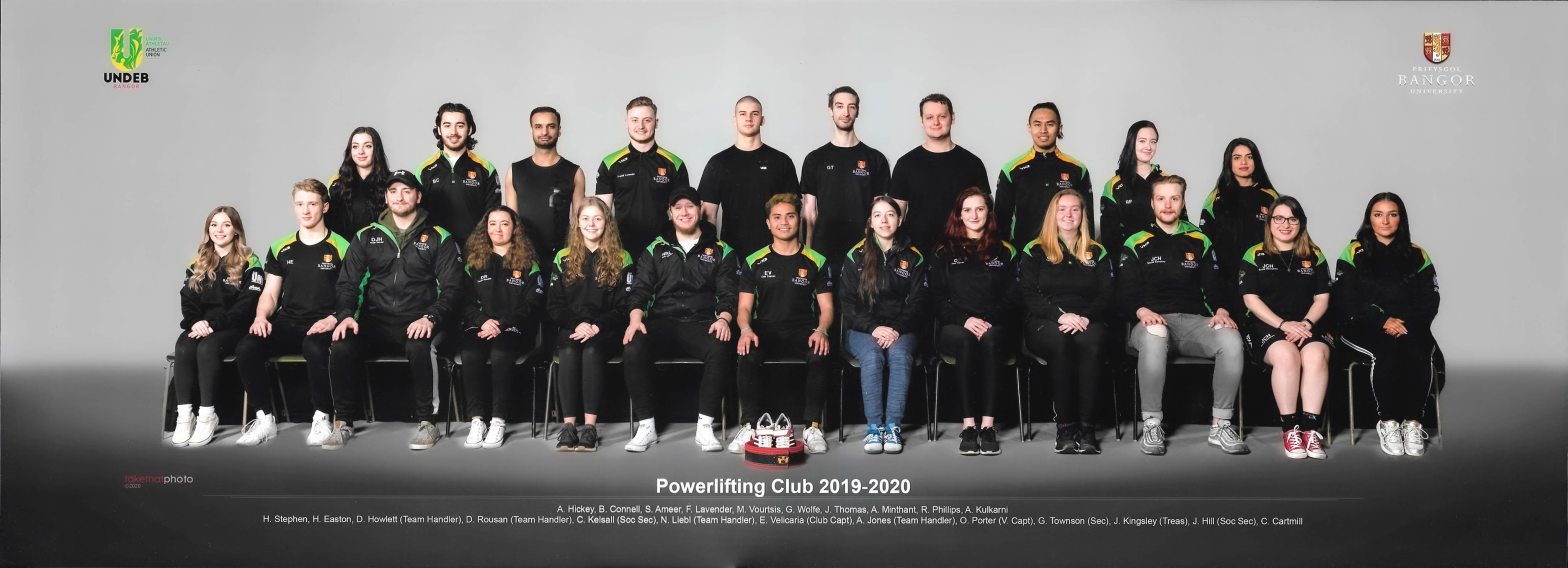
Being elected as captain for powerlfiing helped my gain leadership skills

Some may say see these clubs and societies as a negative as they pose a distraction to our degree. Which I do understand In a way but, what others don’t see is that these clubs and societies could also awaken student and cause some self discovering. I, myself have gone through this, I have learnt so much from clubs and societies that has change my way of life. Before university I only work on my own, quiet, shy, lacking in confidence. Dreaming in working inside my own little bubble in a lab, a lot more of an introvert. My experience in university doing these extracurriculars along side my course gained me important skills not just in life but also in a work environment such as working in a team efficiently, handling great responsibilities. Most importantly it made me a lot more confident.

I have learnt many things from my extracurriculars that is life changing

I am going to be brutally honest. My university experience is amazing but both my course and extracurricular activities made me realised that I’m not in love with the sciences that I thought. I have came to a realisation that I do not want to work in a 9 to 5 job inside a laboratory anymore.

What now?

My time at University has made me reevaluate what I want to do in the future as a career.

  • Powerlifting, as captain, I have greatly enjoyed being in charge and handling great responsibilities by making difficult decisions.
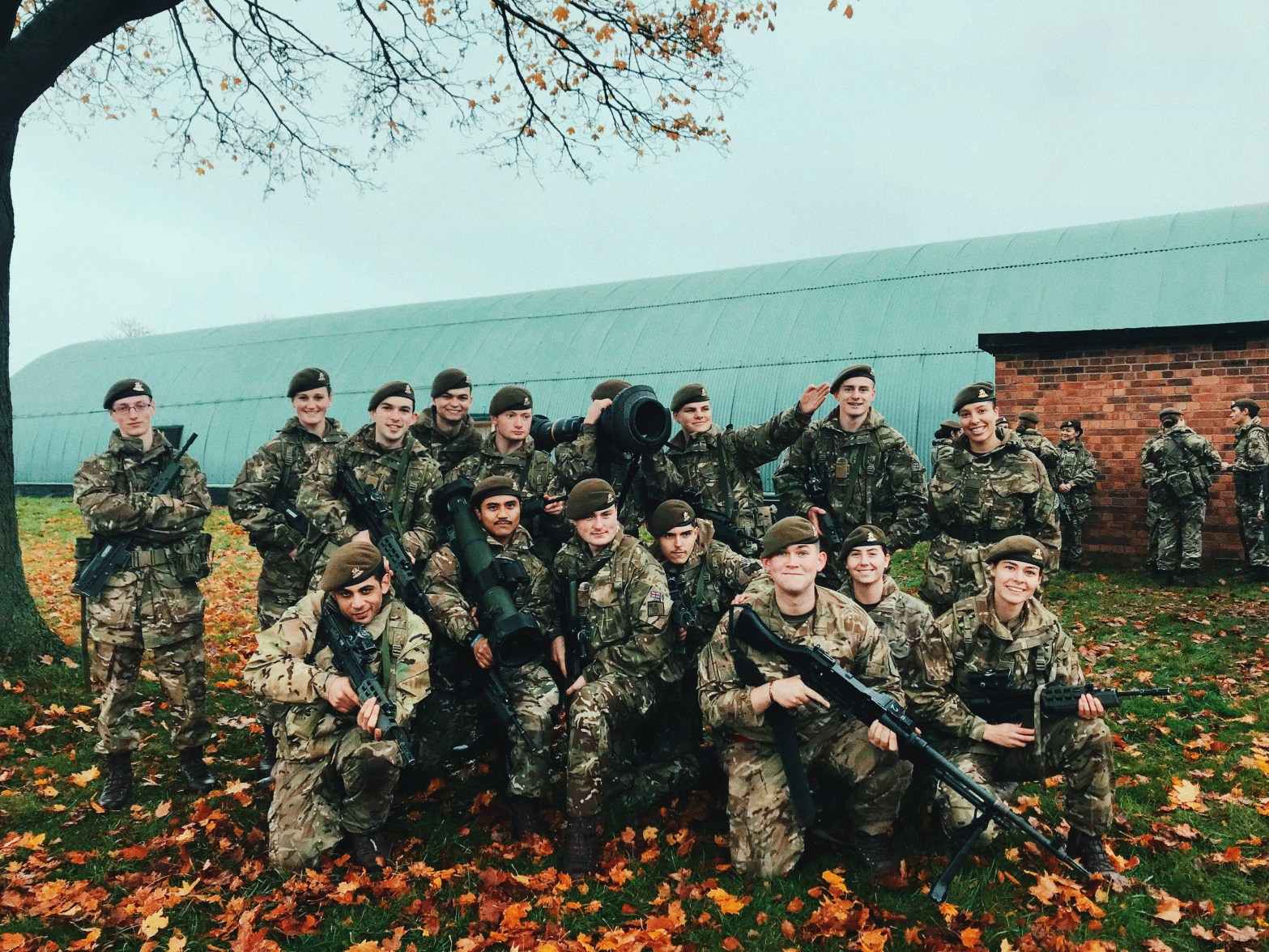
  • WUOTC, as an officer cadet for the army made me realise how much I enjoy the great practicality and adventures of the outdoors.
  • WUOTC, Lacrosse and American football and working with my committee for powerlifting all have one thing in common. They have all gained me the skills to work in a team and made me realise that working solo is not always the best.

I want to work in an active and fitness orientated job that involves team work and a great sense of management, responsibility and a taste adventure.

I can’t stress enough how much, I enjoy the army stuff

I desire to work in the British Army as a Environmental Health Technitian. It ticks all of the experiences I have enjoyed during my time at University while still maintaining my initial interest in Science (Biology).

What have I done so far?

I have applied to be an Environmental Health Technician as my first option and a Communication Systems Operator as my second. I am in the process of the application and will have been invited for a AOSB Briefing on the 29th-30th June.

Whats the plan?

I will do 2 years as a reserve and If I still enjoy it, I will transfer as a regular (Full time). During my 2 years of reserve, I will be using my extra time as a freelance photographer shooting special events and travel the world. In the far future after I retire from the Army I will open up a Camera and Photography shop. Which I could hopefully earn the money to become a landlord and build a resort on my family’s purchesed land in Philippines.

Biologist In Camo

My Experience as an Officer Cadet

As an officer cadet we travel to Caernarfon every Tuesday nights to do some basic army training such as weapon handling, map readings and some commanding tasks. With some fitness sessions to end the nights.

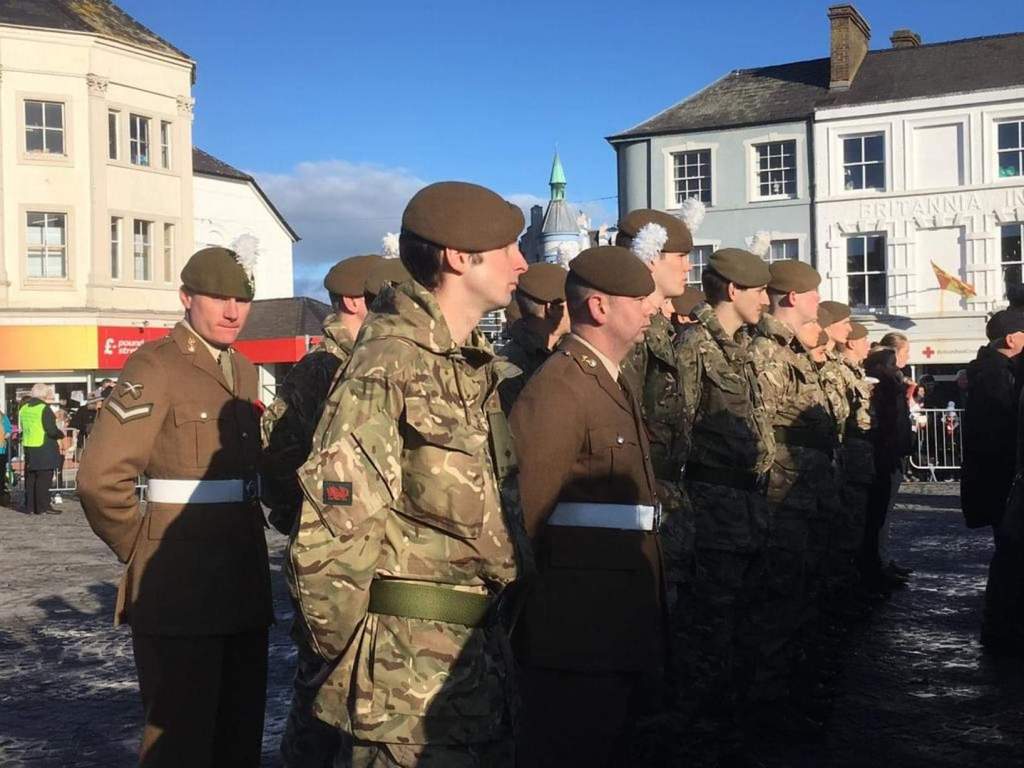
Bangor Detachment in parade during Rememberance Day 2019 in Caernarfon

As a regiment we sacrifice two of our weekends per month to travel to Sennybridge or Nescliff to do futher training by utilising methods we’ve learnt in training nights and applying them out in the field either we do it in the barracks or out in the wild camping.

The whole purpose of this is to give university students a glimps of what it’s like to be an effective officer.

The Regret

Before university I’ve always considered joining in the military as a path but didn’t really took it that seriously. In fact I looked at it as more as a last resort path, so with very little research about the military (which  now regret) I’ve scrapped the idea and headed straight University. Only on my second year of I was aware of the UOTC, thanks a friend of mine from first year, told me everything about it. The fun, opportunities and the experiences. On my 3rd year, I came to look for the UOTC’s stand in serendipity and my name was first on the list.

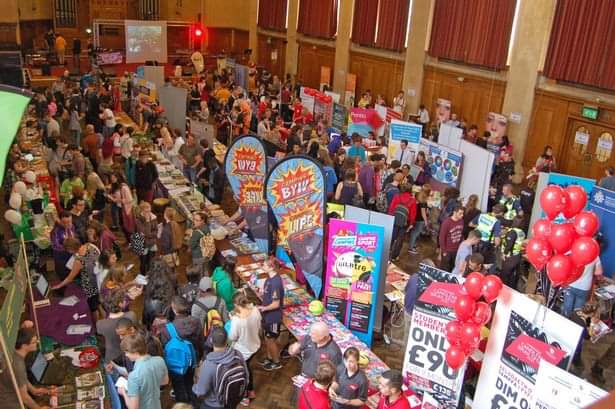
Serendipity in Bangor University freshers week

Why I love it

I really enjoy the lifestyle in the UOTC What we do in training no civilian could ever do. We fire rifles, blow things up, camp in extreme conditions and even play call of duty but this time in real life (with blank bullets obviously). Also did I forget to mention the great fitness we benefit form it? It’s intense.

My new friends from Cardiff and Swansea Detachment

There are extra perks in all of this, I’ve made new friends either from Bangor, Swansea and Cardiff Universities! There’s a great opportunity to travel to do some extreme sports and gain qualifications from it!

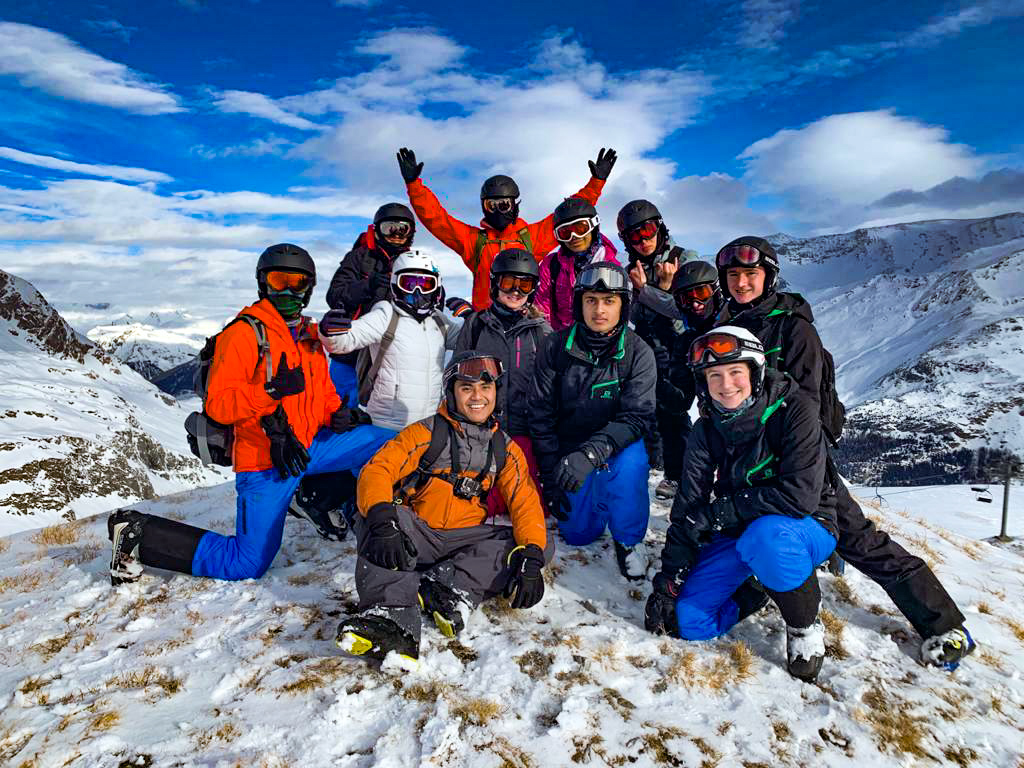
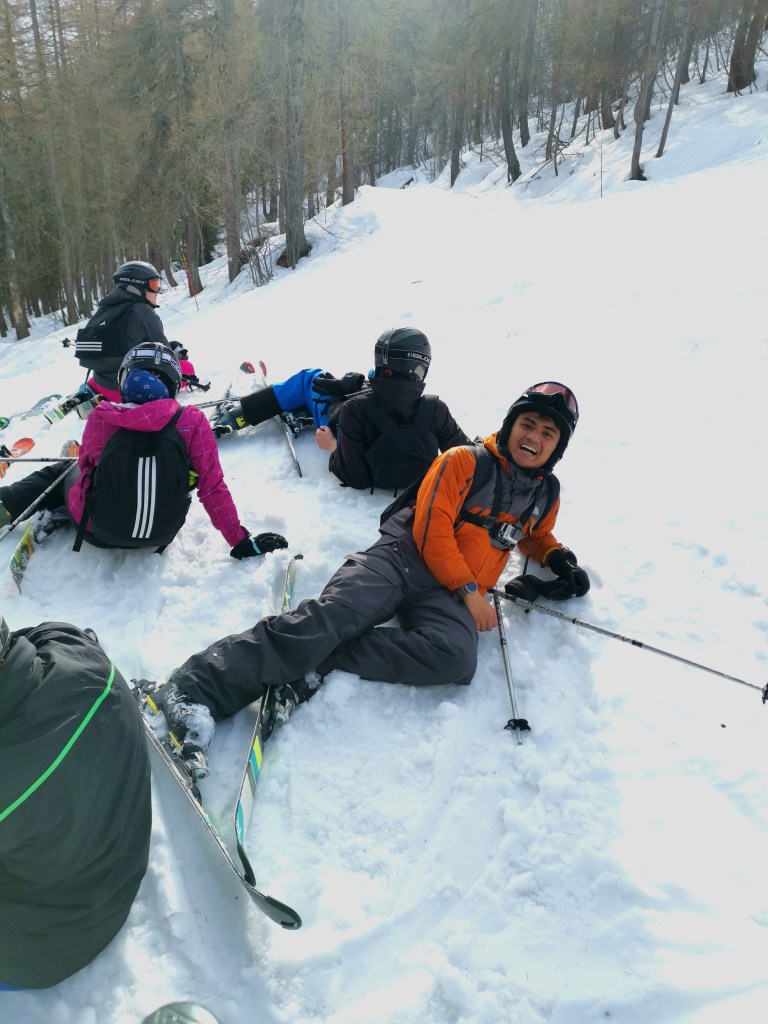
Taking a break after going down a Black slope. Tignes, France 2019

This December we traveled to the french Alps to do some skiing. Never skiied before they’ve taught me so much that now I have a qualification form it! And the best part… I got paid doing it!

Reflection, definitely considering going through this path.

Now on my third year I’ve realised that I’ve missed out on these opportunities as I could have started this adventure during my first year where I had less university work and no sports club commitments as I really do enjoy my time being in the army environment specially when I get trained to be an officer as I seem to enjoy and doing a good job managing and commanding as captain in powerlifting. If I have started on my first year I could have reached to a higher rank on my third year giving me great advantage to become an officer after university. In fact I have sent off my application and I am scheduled a briefing weekend on June.

Capturing light

Science and Art

I’ve always had a creative side since brith they say. I get asked by friends “why are you doing a science?” Yet I don’t know how to answer this question but a small part of me believes that there is no money in the arts and people don’t get amazed as much compared to someone who’s on the science spectrum. Its like choosing between Vincent Van Gogh and Isac Newton. Who would you choose? For me I chose Newton due to the impact he made in science about the 3 laws of motion is much more important compared to Van Gogh’s composition of beauty, colour and emotion. However now that I’ve started to embrace my artistic side through photography. I think otherwise.

Random Shooting

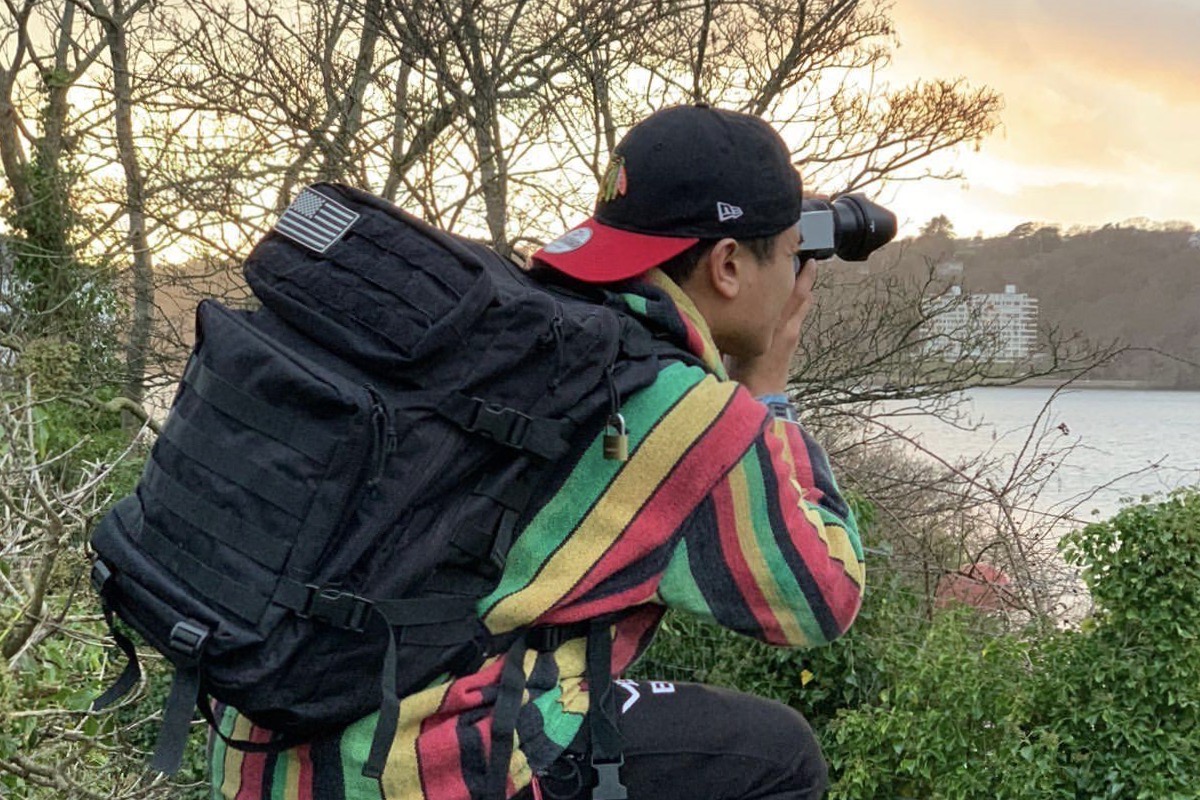
My mom bought me my first DSLR camera for my 17th birthday, other than ocasionally shooting holidays and Christmas photos in Auto mode. Most of the time it belongs in the cupboard, I even thought of not bringing it to University but thank God I did. Living in Bangor has encouraged me to use the camera much more due to the stunning views of my friends… oh yes and the mountains.

The more I take photos the more confident I get shooting RAW in Manual mode where I have more control of how much light passes though the camera and how it interprets it, giving me more control how I want the photo to look like based on the exposure triangle; Aperture, Shutter speed and ISO.

Thanks to online lessons and YouTube videos, Im able to edit the composition of the photo’s colours in post production via a software Lightroom in which I came to master on my own over time.

Beautiful colours captured at Garth Peir, Bangor, UK

Volunteer to practice

Due to the university’s plethora of clubs and societies and my love to photography has started to grow. I took the opportunity to voluntarily take photos of training, matches, competitions and performances of several clubs:

  • Rugby Union
  • Lacrosse
  • American Football
  • Powerlifting
  • SODA (Musical Theatre Society)

Other than further expanding my knowledge of composing better photos, I have definitley enjoyed every single second of it, even the post editing process which normally takes the most time. Where I then post to my Facebook photography page.

Moments before a great touchdown in American Football

Current earnings

My volunteering efforts taking photos for the clubs and societies was not left unnoticed as I was approached by Academi by offering me to take photos for the 2019 Summer Festival which not only gained me some good earnings but also a Job at Academi for the next academic year (this year 2019-2020) as a photographer. Taking photos one or two nights a week.

Bangor University SummerFess 2019

Developing traditional film for the first time

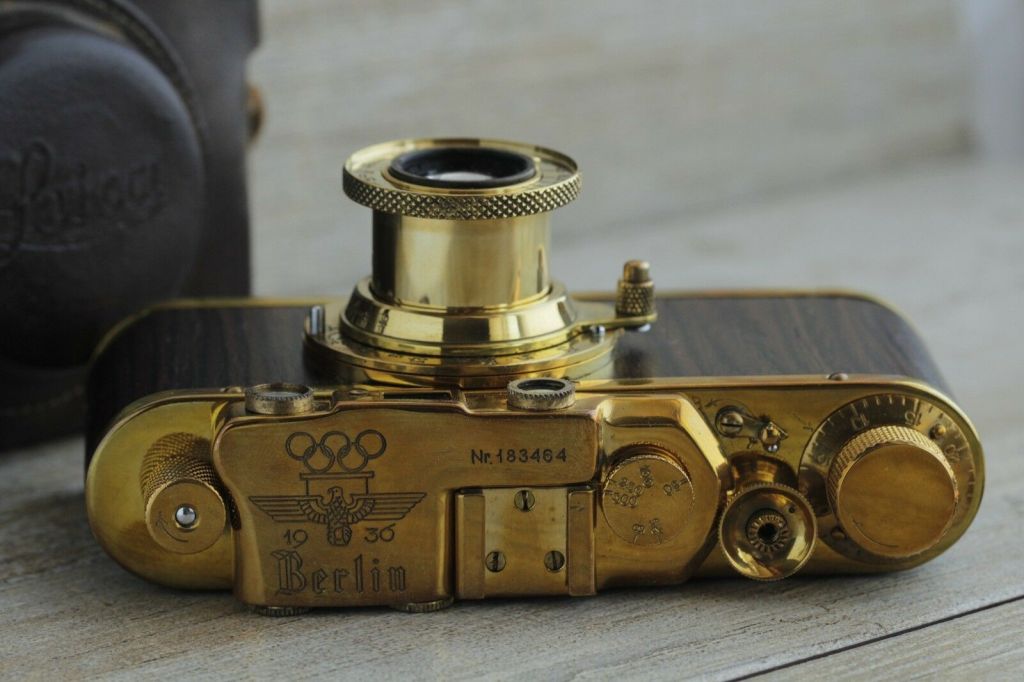
I’ve recently got obsessed with film photography, the old fashioned way of taking photos before digital. I got my first film camera in a thrift shop in Birmingham for £30, interestingly enough the camera I got was a brass Leica I from the Third Reich! The director of Leica at the time Ernst Leitz II smuggled hundreds of Jews out of Natzi Germany before the tragic event of the Holocaust, giving this camera great historical value.

Accidentally buying a camera from the Third Reich with a heroic background

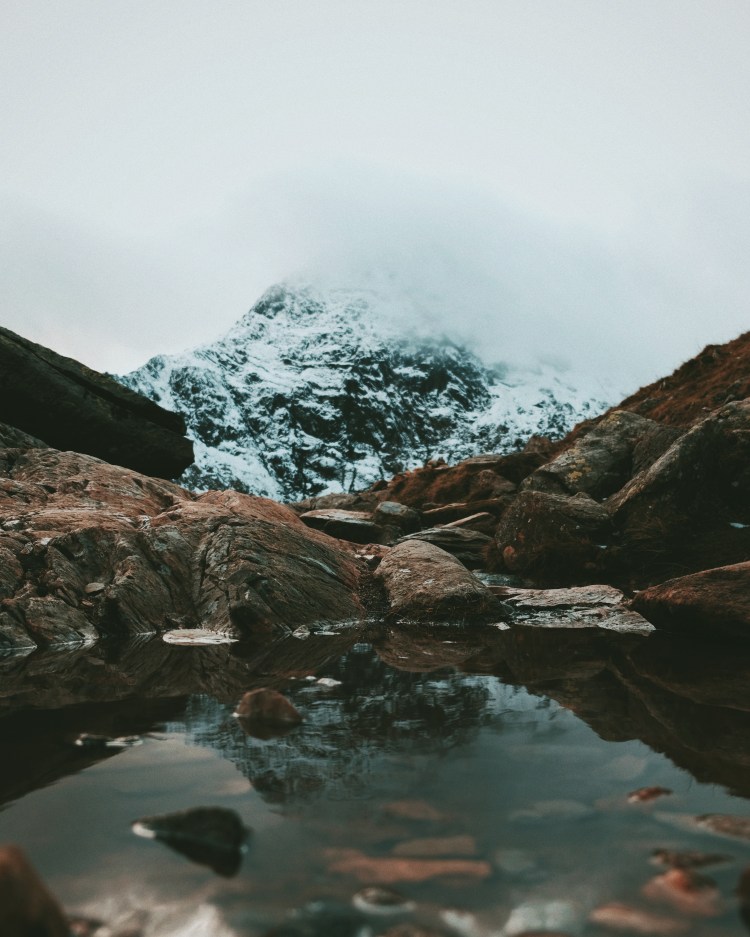
I took the camera up to Snowdonia. The camera was fully manual with no indication of how the photos turned out until developed, thanks to my experience in shooting manual on my digital camera it wasn’t much of a leap.

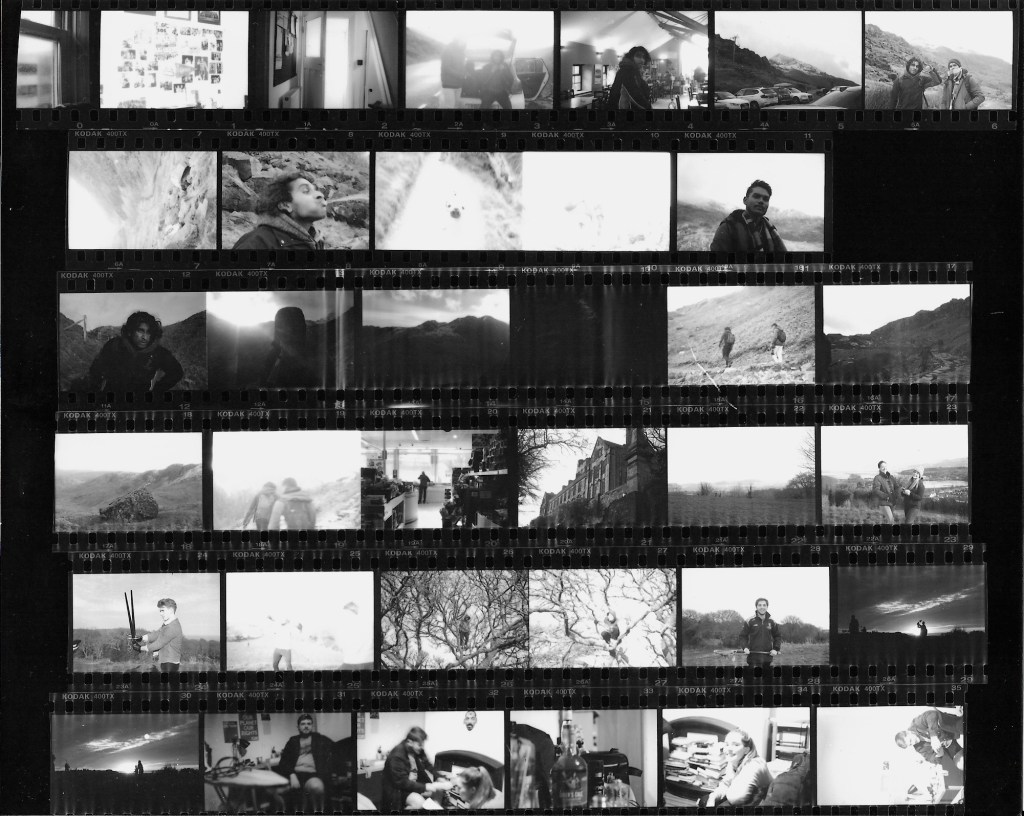
As part of the committee of Bangor Photographic Society I was able to use the societies’ Darkroom to develop my own photos with the required chemicals. I think is the closest thing that links photography and science.

The process of developing film (B&W) (Credit: ILFORD Photo)

Opportunities Awaiting

  • Take photos for Bangor Surf Team’s Special Event
  • Produce a Promo video to raise awareness of Miles Dyslexia Centre in Bangor University.

Reflection

Now that I have embraced my passion in photography I am very keen of integrating this in my future career as a freelance photographer, shooting weddings, festivals and photoshoots. I could do this along side the British Army when when Im not deployed. Speaking of which, I could apply as a photographer in the British Army, sadly they are not recruiting for the possition at the time of witting this blog. However when the opportunity appears, my name will be the first one on the list.

In 10 years time if I ever decide to leave the Army, I could get into Wildlife photography for conservation or even open up my own business photoshop where I can sell new and vintage cameras. I could also provide film developing service to customers as film photography has become trendy again in recent years.

I have suppressed my passion in photography for years thinking that it would render useless for my future career. Embracing my hobby, now I know the great potentials It could give me in my future.

Bees are falling

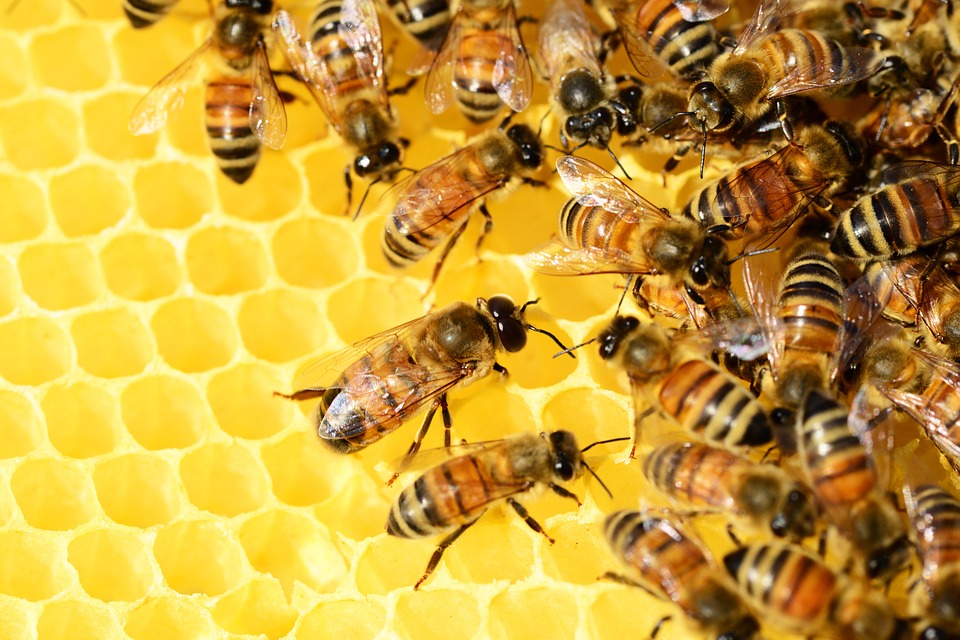
Bees have seen to be declining in population since the early 1990 and its hasn’t gone back up ever since. We take them for granted people need to understand their importance in this planet and that their extinction would be as catastrophic as that of climate change. I was very impressed when both Bangor university students and the local community was present in this lecture, it’s a great way of spreading awareness and education to a wider audience.

Bees are responsible for the 1/3 of the food we eat and many other plants such as flower plants rely upon them for pollination. They are vital for the sustainability of the world’s agriculture, environment and economy.

When bees become extinct It will also trigger the extinction of many plants and animals including ourselves. However, before that happens war and conflict will arise as people would be fighting for food due to the decline plant-based food and the death of live stocks. 

No more bees, no more pollination, no more plants, no more animals, no more man.

Albert Einstein

Why are the bees dying?

  • Parasites like Acarapis woodi, mites that infect the bees by laying their eggs inside the trachea and feed from their liquids weakening the bees until death.
  • Another parasite Varroa destructor, parasites that can only reproduce in bee hives feeding upon their lave 
  • Bees Loosing Habitats, this is mainly due to the 
  • Pesticide poisoning through exposure to pesticides applied to crops or for in-hive insect or mite control.
  • Stress bees experience due to management practices such as transportation to multiple locations across the country for providing pollination services.
  • As climate change is already bad enough, climate change preventing their mating and pollination by strong winds will only accelerate our decline to extinction.

All these factors could be the cause of CCD (Colony Collapse Disorder)

Things being done to prevent CCD

  • According to the US Department of Agriculture CCD Action plan, survey and data collection will be further analysed to identify the extent of CCD 
  • Analysis of Bee Samples to determine the prevalence of various pests and pathogens, bee immunity and stress, and exposure to pesticides.
  • Hypothesis-Driven Research on four candidate factors such as new and remerging pathogens, bee pests, environmental and nutritional stresses, and pesticides.
  • Mitigative/Preventive Measures to improve bee health and habitat and to counter mortality factors.

At this time of writing there is no certain evidence of what is causing CCD however is it good to see that there is something being done about it. Although I do believe that there should be more awareness that is put towards it as much as that of climate change. As both issues are equally dangerous for the planet.

Reflection

Found this very interesting due to the fact it’s a global crisis that not much people know about which could be due to the lack of publicity. In the future if the population of bees continues to fall and climate change arise. I will support the movement that aids these catastrophic crisis. By working for an organisation such as that of “United Nations Environment” as a Infographic and Documentary design”. Here I could use my knowledge in creating media and my background in science to work for a non profit organisation that not only spreads awareness but also make a difference. This will be a great opportunity for me to work temporarily abroad.

How to make a CV

CVs are your first line of getting an employer’s attention. So it is extremely important that your CV does not end up to the side, forgotten. If you want to apply for a position, the first step is an effective CV that does not bore the reader within 10 seconds.

As part of the Science and Employability Skills module, apart from the blogs, we are also provided useful lectures and workshops by Christian Dun and Clare Brass that could help us after we graduate university such as writing CVs, preparing for an interview and even a practice session of teamwork and mock interviews.

Clare Brass, who works at Bangor University, has large amounts of experience concerning interviews, as she is involved in hiring processes within the university itself.

Clare has provided us a workshop on what makes a good CV

An effective CV has to contain important and relevant information tailored the position as well as conveying your personality in a way that is easy to read.

Relevance

Only include relevant information and don’t be afraid to remove some irelevent information. Employers only look for things they want. If you are applying for an ICT Job they won’t care about your GCSE Health and Social care qualification. Perhaps include your ICT Qualifications and experiences or even hobbies that involves computers.

Only if asked for list the relevant GCSE and A Levels Qualifications, as well as modules studied throughout your time at university which would be useful.

Layout

So the layout of the your CV is very important as it makes the document easy to read and understand as well as if it is done right it can give the impression of professionalism. 

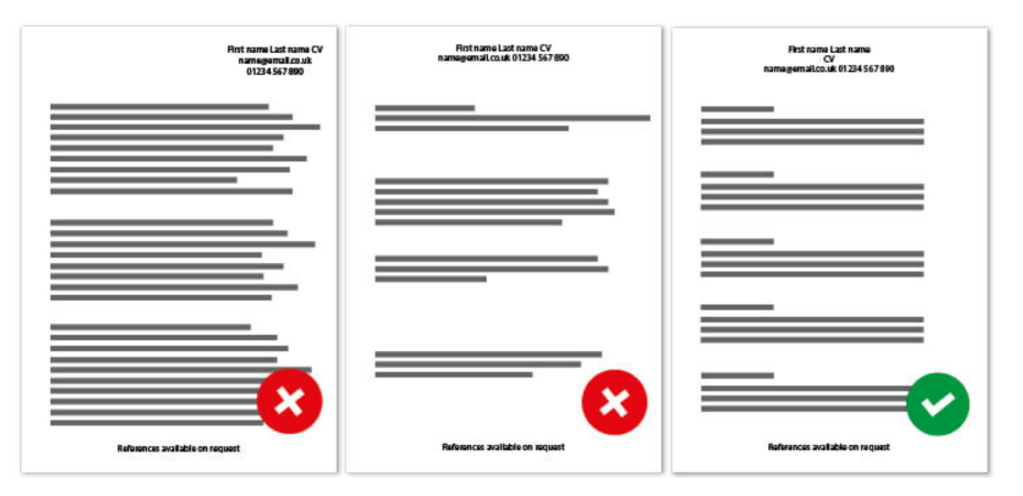
Example in the far right, small paragraph with subtitles and are consistently spread out make easy reading and navigation

The ideal layout is short paragraphs but uniformly spaced throughout the page. This makes it easy to read and with each paragraph subtitled it means that it is easy to navigate. Important information should always be at the top, this could be your relevant qualifications and relevant employment history that could help you get the job.

Employers only have short periods of time to look at a CV. If they are difficult to read or look too cluttered you are less likely to be put in the forgotten pile.

Prove you’re human too

As they would have read down this section, means that they are interested and now is willing to spend more time to know more about you as a person. It’s important that your CV doesn’t just contain your academic achievements and grades.

You don’t want to come up as a boring person without any interest and hobbies

You also need to write about your other achievements, qualifications, hobbies and interests.

You need to put across your personality so employers can see whether you’re well rounded person, or whether you’d be a good fit for the position.

The perfect CV includes

  • Relevant grades
  • Relevant modules
  • Personal profile
  • Employment history
  • Relevant skills/qualifications
  • Simple layout with a flow
  • Extracurricular activities/hobbies/interests

The finishing touch

Before you send your CV to the position you are applying for. Other than proof reading for grammar and spelling. It is important that the CV is tailored and focused exactly to that job by looking at the job decription.

Making these small changes in detail makes a big difference of the effectiveness of your CV:

  • Change the way you word your sentences to pick up on key words based on the Job description. If the job description requires confidence instead of saying “I worked in a lab” you could say “I worked in a ISO Class 3 lab” this addition of information and gives more evidence for you being confident but also shows you are knowledgable.
  • Change you skills to suit the job so if they job requires aseptic technique make sure you put emphasis aseptic practices in your skills section.

Reflection

Initially thinking that I had a perfect CV alrady, this workshop by Clare Brass has helped me significantly in tweaking my own CV by cutting down irrelevant Information and rearranging the layout of my document by having the most important points at the top of the page.

In the future when I apply for a job I will look at the job description and ensure that my CV is tailored to that specific job by only including specific information that will help me in the work place of the job I’m applying for. Including only relevent qualifications, skills and hobbies.

Haematology is the heart of the Hospital

Work Experience in the Haematology Department at Birmingham Children’s Hostpital

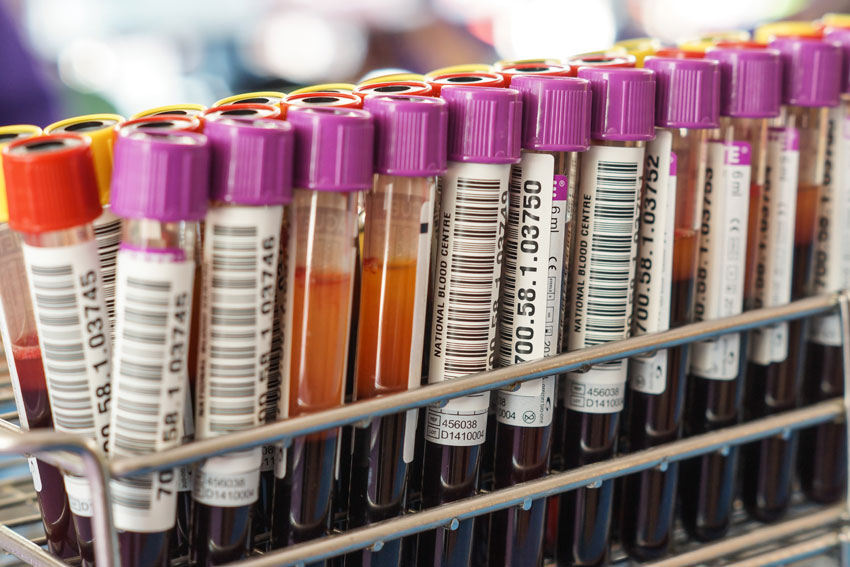
Haematology department is responsible for the diagnostics and the treatment of patients with blood and bone marrow disorders, however in hospitals haematologists works mostly in the lab receiving blood samples from wards and theatres in the hospital for diagnostics of what could be wrong with the patients.

Having time to spare during the summer of 2019, I took the initiative to find some work experience in Birmingham Children’s Hospital, with a long process of exchanging emails, I was lucky enough to be accepted to my desired choices which was the Histopathology and Haematology departments working a week in each one under supervision of course.

I was very pleased with this as I always thought working in laboratories was really cool. Ive probably got the influence from HollyWood’s representation of Science and Labs. The Resident Evil franchise as an example.

WHY IS HAEMATOLOGY IMPORTANT?

Haematologist has good communication with health professionals such as

  • GPs
  • Pharmacists
  • Specialised Nurse
  • Doctors
  • Health Advisors

These health professionals send a blood samples of an unwell patients to the Haematology Department of the specialised monitoring and diagnostics of red and white blood cells, platelets, plasma and the coagulation system and undergo many tests for abnormalities.

Type of Tests In Haematology

  • Cholesterol Levels
  • Glucose Levels
  • Blood Gases Test
  • Blood Culture (to encourage bacterial growth)
  • Blood Typing
  • Cancer test
  • C-reactive protein (CRP) Test
  • Coagulation test
  • Chromosome Testing
  • Electrolyte Tests

Due to the complexity of some of the test haematology undergo and the limited amount of blood in the sample, I could only do some of the simple and straight forward blood test such as Blood Typing tests and Blood culture.

Safety always comes first

When I was invited in for an initial induction I was first informed about health and safety, Lab coats to worn only within that specific lab. Wear gloves at all times and wear goggles when handling a sample. And always wash hands regularly. This strict precautions is understandable as dealing with blood is far more biohazard when accidentally enters open parts of the body like eyes or open cuts.

Lab can get busy

The lab was a lot bigger than that of the Histopathology Department with a lot more staffs and far more blood samples coming into the lab for diagnostics. A member of staff told me that the department receive so much, they have to handpick blood samples to do diagnose for those in most critical conditions and some sample that don’t get picked are sometimes completely abandoned for weeks to point where the department get sent another sample.

It was very clear or me that this department is very busy, receiving and sending the diagnostics back to the health experts occurs hundreds of times. This kind of the department resembling like the pumping heart of the hospital with blood samples traveling around making its way to the department.

Reflection

I really enjoyed witnessing what goes on in the haematology department. I was very surprised on how busy the lab was and the amount of blood samples they receive in a day. This lab contrast from the Histopathology lab from my previous work experience. The busy and fast paced environment I really desire.

Bangor University Biomedical Science Course I should have chosen, If I wanted to work in hospital labortories due to its valuable IBMS Program

However, the same thing I have learnt from my histopathology work experience. I have spoken to some of the staffs and they all said that a IBMS (Institute of Biomedical Science) degree is needed in order to work in Haematology. In which my current Biology With Biotechnolgy course does not have. However looking through the Bangor University website the only course that has IBMS standards is BioMedical Science BSc. Despite sharing some modules with this course does not make me applicable to apply for the Job as the IBMS syllabus contains all of the specific topics that is more tailored working in the hospital. As I don’t really plan on stating in university for another 3 years with a new course, I don’t think this path is for me, even though I have enjoyed my time in the labs, My instinct hasn’t clicked if I would enjoy continuing In this direction.

Details and Contacts

Birmingham Children’s Hospital
Steelhouse Lane
Birmingham
B4 6NH

yvette.taylor2@nhs.net

0121 333 9952
Being Captain

Captain of Bangor University Powerlifting Squad

As a club, we focus on gaining strength based on the 3 main compound lifts. SQUAT, BENCH PRESS and DEAD LIFT. We set up several session every week and teach people lift either for those who wants to focus on form or for people who never touched the bar we are happy to help.

Never really lifted before university so I thought to join club on my first year to step out my comfort zone. I could still remember, admiring the the committee for being such good role models to the club, they weren’t only good at the sport but they they always gave good advice and and was great teachers always helping me with my form which gradually got me better in the sport over time. I wanted to set a goal for myself to be in the committee in the next year. So I made an a lot of commitment in the club

On my second year I got elected as Social Secretary which really put me out of my comfort zone, it made me become more vocal hence the position played a big roll increasing my confidence. I myself have started to teach beginners in the powerlifting sessions in which I really enjoyed. The most satisfying feeling is that I could see the beginner I was teaching just get better and stronger every week knowing that I helped that person is a good feeling.

Becoming Cappy

Going though my speech and answered questions on why I should be captain I have managed to get the majority of the votes. I was very nervous at first not knowing what to do buts when a note book become handy.

As captain, Im responsible for

  • The clubs integrity
  • Ensure that everyone in the committee are doing their roles.
  • Keeping members safe and satisfied
  • Communicating regularly with the AU though emails and meeting
  • Boring and Important paper work
  • Secure competitions for the year ensuring we have enough people for UniChams
  • Being present in all the session when possible
  • A powerpoint presentation to explain what to expect during a competition
  • Arrange monthly meetings with the committee
  • Solve problems when occurred
  • Nomination for the Full Colours award with a page of expliantion

Right after becoming captain I have written some goals I want to accomplish for the club before I leave. With most of it already been accomplished.

  • Increase the club’s social media presence and publicity
  • Get more involved in Athletic Union events
  • Academi Fundrasing
  • Bangor’s Strongest Fundraiser competition
  • Old Stars completion (Pending)
  • Raise for charity
  • Get people to compete in the Welsh Competition in Cardiff
  • British University Championships (Pending)
  • Aberystwyth Varsity
  • Unified Competition T shirt team kit

Staying Organised

Having a notebook or diary dedicated for one thing helped me a lot.

Grey is the new Red

With the rise of international transport in the 1870s, it has become a trend to import foreign objects to the home including animals like the grey squirrels. It was initially introduced in the UK by wealthy individuals by importing grey squirrels from America to people’s estate in England as this was considered very fashionable at the time. Little did they know how these foreign organisms would negatively impact the native species in Britain.

Traits why grey squirrels are invasive towards red squirrels

Since the arrival of grey squirrels in Britain it has been invasive towards the native red squirrels which caused the decrease of their population.

Feeding

Competition to food is a factor that causes the decrease in population of red squirrels. As both squirrels are omnivores with the same diet, both will be looking for the same food to eat. Being able to digest tannin provides the squirrels more advantageous nutrients such as fat and proteins which can encourage them to store more fat.

Larger physique

Due to their larger physique to the red squirrels, they are capable of storing 4 times more fat which is necessary to be able to survive harsher conditions such as the winter seasons. There larger size requires them to naturally eat more than the red squirrels, especially if they want to maintain the storing of fat over the harsh seasons.

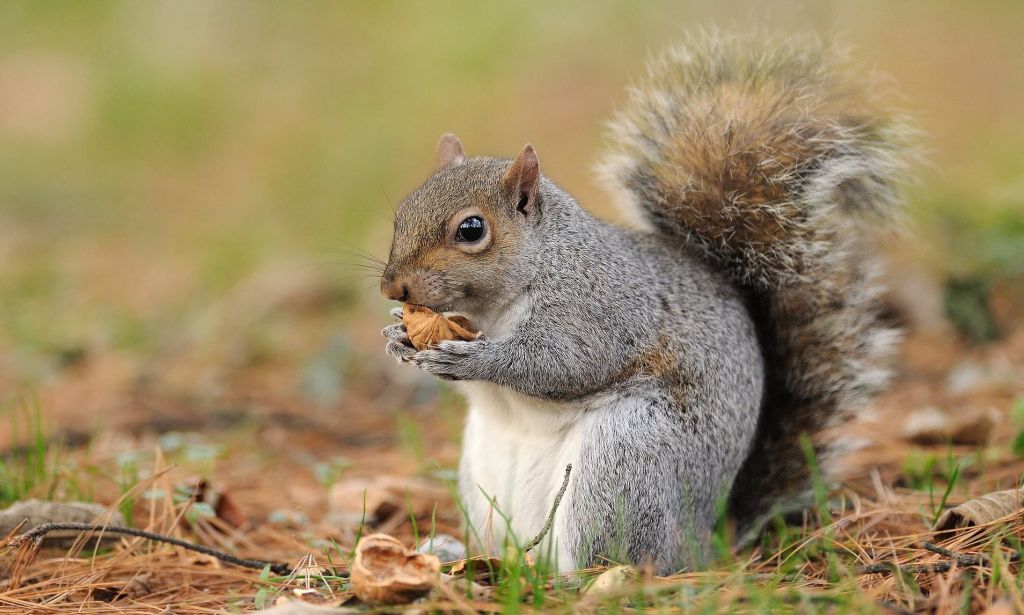
The larger Grey Squirrel

Epidemic spread

When the grey squirrel was imported from America to Britain, it did not just introduce the invasive rodent, but it has also introduced a virus that potentially wipe a whole population. Grey squirrels carry a virus called Squirrel pox in which the red squirrels are very vulnerable by. When a red squirrel is infected either from physical contact or sharing food, the red squirrel surfers to a slow painful death starting with the symptoms of tumours, ulcers and lesions forming around the eyes and mouth which causes them blind and unable to eat and drink which then leads to death of starvation and dehydration. Despite the grey squirrels being the carriers of this virus, it does not affect them as they have genetically adapted to become immune to the virus due to their long exposure to the virus for many years.

Conservation efforts and help from the natural terrain have saved the grey squirrels.

There are still some areas in the British Isles where red squirrels are still present, examples of these are Scotland, Isle of Anglesey and Isle of Wight, this is due to lad restrictions preventing the migration such as mountains and bodies of water 

Conservation efforts are also responsible for these remaining squirrels as they are protected by laws and regulations. Some conservation efforts that protect red squirrels from extinction are: 

  • The eradication of grey squirrels in the Isle of Anglesey followed by the reintroduction of red squirrels the Newborough forest.
  • The save our squirrels campaign is a set of grey squirrel control measures set out in national trust areas.
  • The North East Scotland Biodiversity Partnership is a plan put into place in Scotland and north England with the aim to protect red squirrels. 

Reflection

Had a visit in Newborough Forest and came across a cute one

This lecture was carried out by a 3rd year conservation student had made me realised, actions we do for luxury or economic growth could cause such a huge impact else where in this case the near extinction of red squirrels, as the introduction of grey squirrels started at around the late 1800s, its more forgivable due to the lack of education back in the day and was not brought to the uk to intentionally wipe out the red squirrel. The consequences was unexpected at the time. Now that we are more aware about invasive species we are more careful and educated when transporting foreign species to new habitats.

This lecture hasn’t helped me much about what career path to choose but it made me realise, we make dumb mistakes during uncharted territories in our lives and we need to be able to evaluate and learn from our mistakes in order to improve ourselves though out life.

Design a site like this with WordPress.com
Get started